Providing free secondary legal aid to survivors of torture or conflict-related sexual violence requires particular professional sensitivity from legal practitioners.
As the Free Legal Aid system may be a survivor’s first step towards justice, respectful communication is essential for recognising their specific needs and interests and preventing retraumatisation.
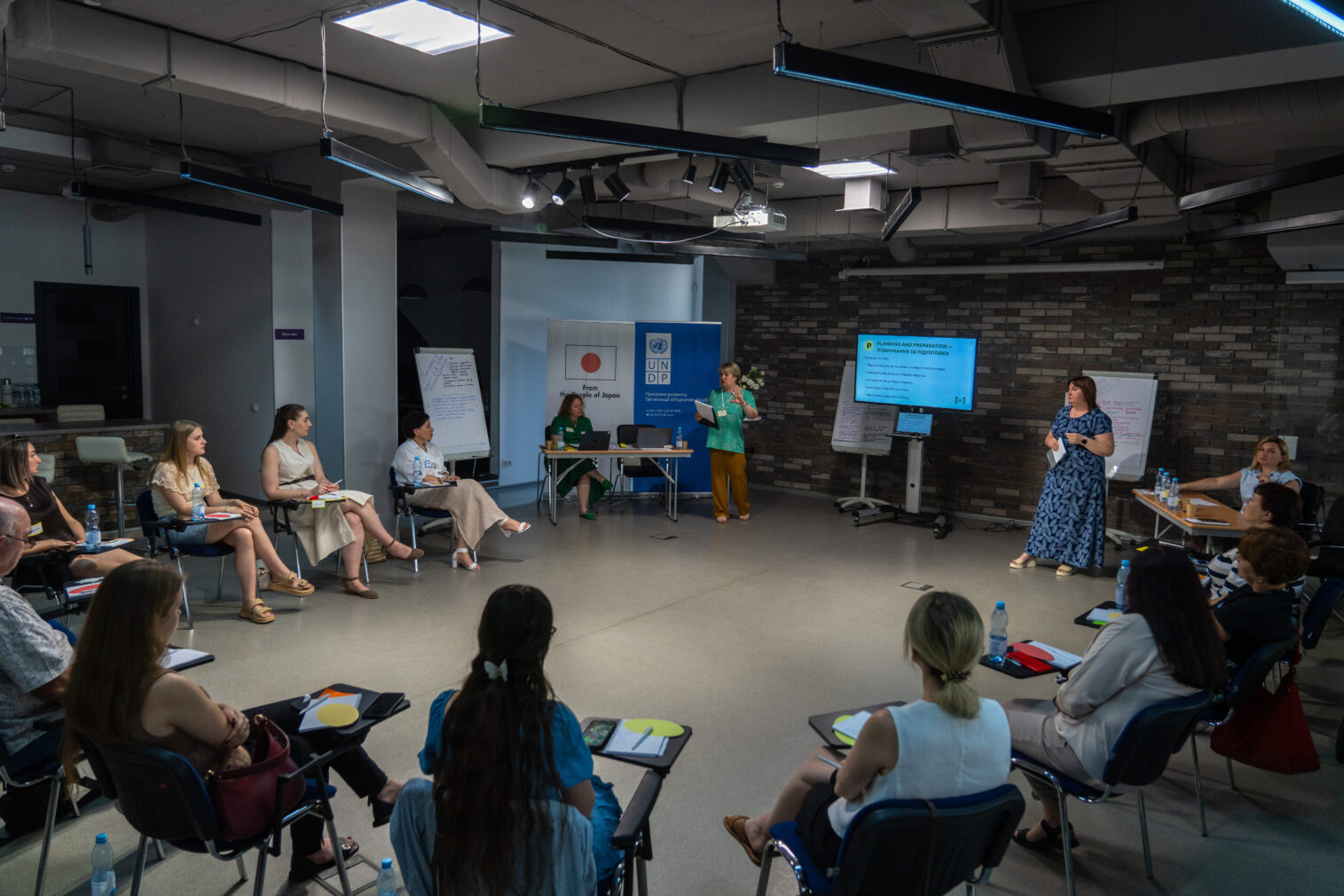
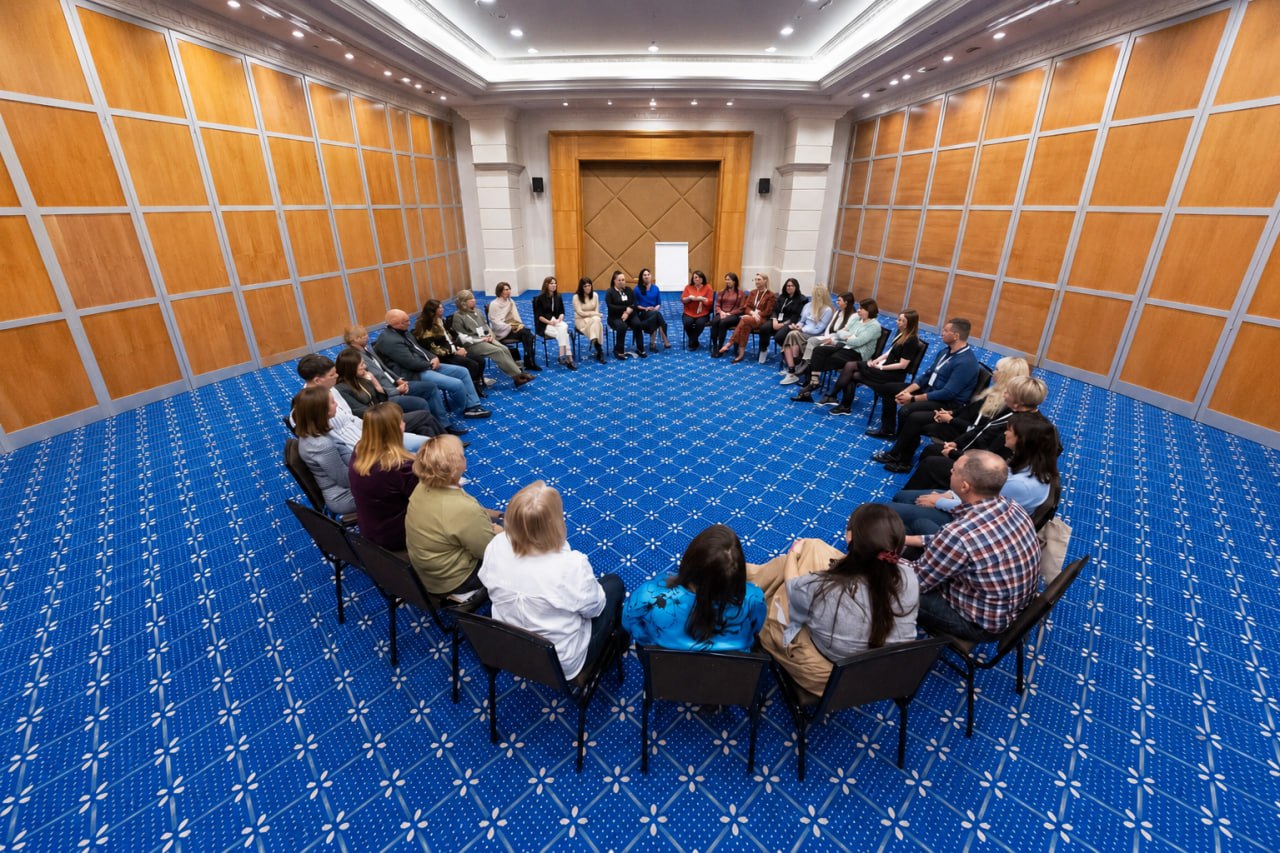
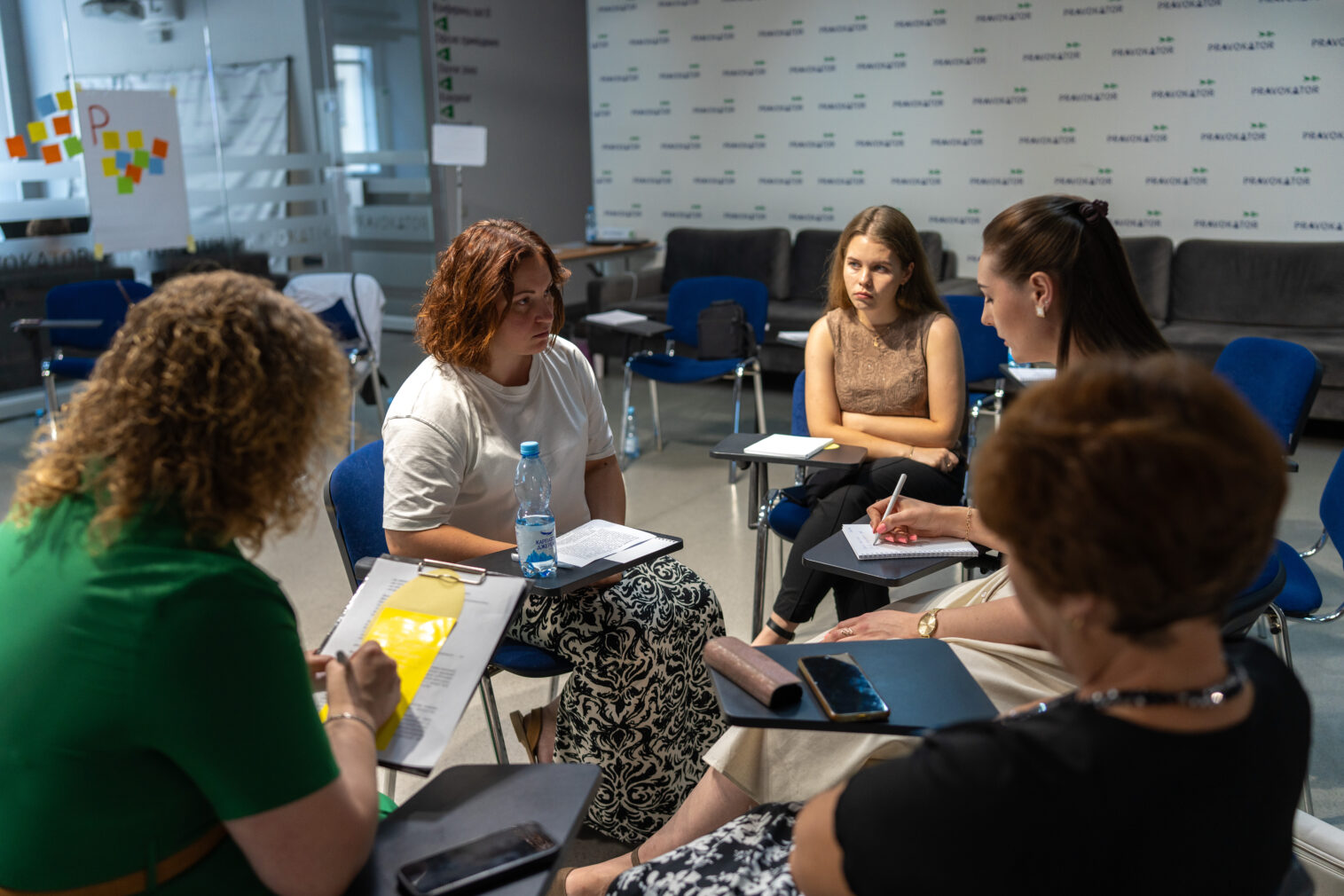
Developing communication skills was one of the central objectives of the training programme “Working with survivors of conflict-related sexual violence: interviewing and providing legal aid”, held at the PRAVOKATOR Legal Club in Kyiv on 3–4 July. The training brought together 23 Free Legal Aid system employees and independent lawyers cooperating with the system.
Participants deepened their understanding of working with survivors of conflict-related sexual violence, applying a trauma-informed approach, building safe and trusting communication, maintaining confidentiality, and considering survivors’ needs and best interests.
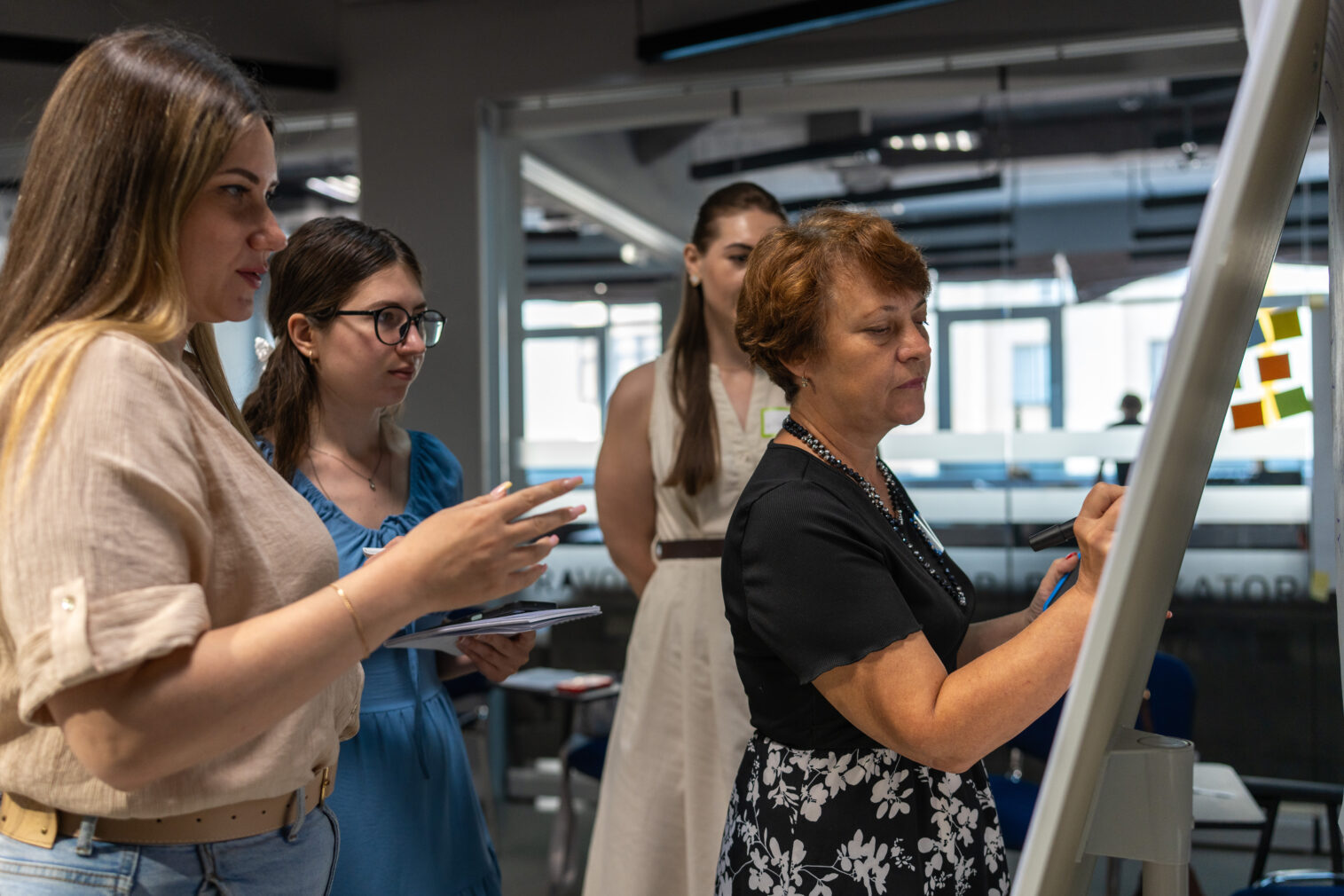
The programme placed particular emphasis on practical skills. Through exercises, case analysis and discussion of professional situations, participants practised interviewing approaches and tools needed to provide high-quality, sensitive and client-centred legal aid.

This training is especially relevant following the expansion of eligibility for free secondary legal aid. The right now covers victims in criminal proceedings concerning torture or conflict-related sexual violence, people recognised as survivors of conflict-related sexual violence, and people who were refused that status.
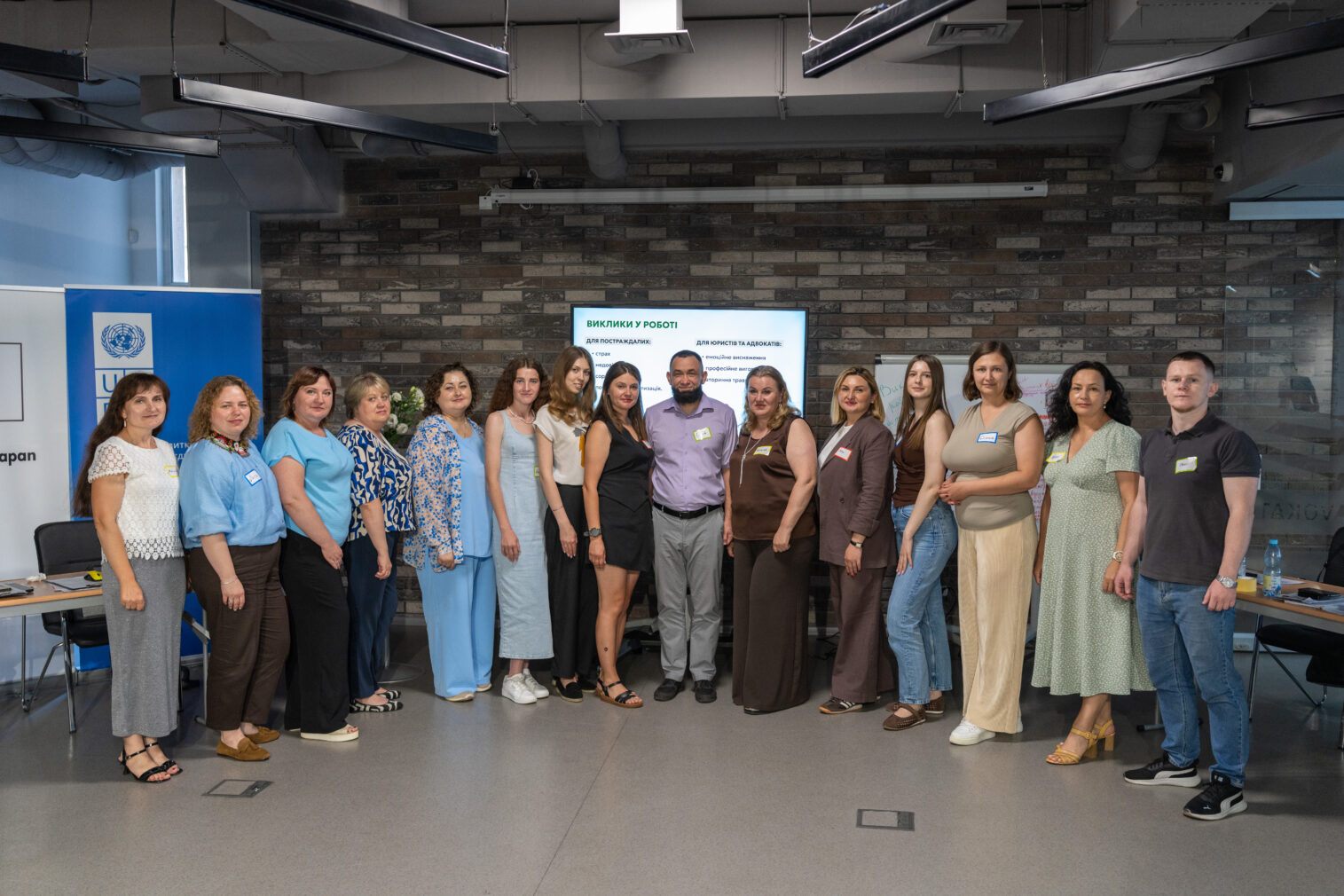
Background. The training was held with the support of UNDP projects in Ukraine.